Click links or use CTRL+F with keywords
1. Common problems
2. Common Warning Messages
3. Troubleshooting (issues and possible causes)
4. Which parts brands to buy
5. Official information : specs bolts torques, maintenance schedule, owner manuals, electric diagram manuals, power charts, year to year changes, battery specifications
IMPORTANT: for key programming, module replacement or reprogramming, immobilizer problems (corrupted CEM), you can contact this company – they ccan do module programming remotely – you will need to have a DICE unit (look up Ebay) and a laptop connected to Internet. https://www.datatransferring.com/volvo Contact: https://www.datatransferring.com/contact
All the videos are from my Peppermint channel on Youtube (500 repair videos)
Search Yotube with “Volvo Peppermint <repair needed>”
https://www.youtube.com/playlist?list=PLl-l6yge4ast4eLeuPpECTts0FSVSOT_c
1. Common problems
Key & key fob replacement. New key & fob is very expensive, around $400 at the Volvo dealer. There are few other options, in UK Europe there is this company that can replace the key with a fully functional one, except the Immobilizer system won’t be active when the car is parked https://www.replacemykey.com/ . An existing key must be provided for them to make a copy from it. In the United States check out this company, give them a call https://www.keylessshop.com/. There was a discussion on the keylessshop here https://www.matthewsvolvosite.com/forums/viewtopic.php?f=9&t=92395&p=528379#p528379 . These cars also came with a “valet” key that cannot open the trunk. It is warly recommended if you buy the car with a single key, to make a second one right away. We sometimes see people on forums saying they lost their single key – this is a guaranteed trip to the main dealer – plus the towing depending on the distance, so think of it ahead. If on a tight budget, there is a trick if you have a single last key. First, check out for a local smith that can duplicate car keys (if there’s one), or look up on Ebay for car key duplicate services. You make this way a few cut keys without transponder. Then you hide (attach) the original key under the top plastic cover behind the steering wheel, near the antenna ring at the ignition barrel. The key should fool the antenna to think a key with transponder is inside the ignition. Make a few tests to find the right position where the antenna detects the transponder. Then you can use the duplicate keys to start the car (and open the doors manually). If this works, you may want to cut the blade off the original key, so as if there’s a smart guy that knows this trick and looks under the steering cover, he doesn’t find a functional key. BY ALL MEANS, do not try to remove the transponder from any of the Volvo keys (there are three models of keys). These transponders are inside very fragile glass capsules that are also glued inside the keys. It’s almost guaranteed you will break the transponder, that’s why you want to place the entire key near the antenna. It seems the transponder is the ID48 chip type, I haven’t tried it myself https://www.aliexpress.com/item/32989132627.html. Be aware that the rear view mirror inside the car has the chip that recognizes the key fob. Never replace the electronic board of this mirror.
Timing belt kits (cambelt). NEVER remove the VVT hubs before asking on forums how to mark and lock the hubs. Most engines need a timing belt at 100k miles (California cars have longer interval). Some engines, like the 3.2 have a chain. Use only Contitech timing belt kits (this includes a Continental belt plus pulleys). Be aware that Contitech kits may come with a Hepu water pump – I don’t recommend this brand for these cars – I only recommend Aisin. Usually the original water pump is good for 200000 miles but double check see if a previous owner has already replaced it and put a cheap one – many cheap garages do this and this is a death sentence for these cars, use a mirror and try look if the pump is stamped Aisin or Volvo – that’s the good ones. Anything else, replace it. If the belt was already replaced, always check what brand was used. Gates may also be decent, but may have a cheap water pump. Don’t touch Dayco on these cars (I know they make good parts for other cars, but not for Volvo, I talk from personal experience). The belt kit must be ordered with the engine serial number, as the tensioner has been changed somewhere in 2004. This engine serial number is to be found either on the belt cover on a sticker, on stamped on the engine block
Volvo dealers replace the water pumps first time only at 200k miles. Again, use only Aisin or Volvo for the water pump. Volvo ones also have stamped the year date inside a small circle. The only time we see in forums a failed water pump (and broken engine), is with aftermarket parts (all but Aisin) that failed after 15k-25k miles and seized all of a sudden, ruining the engine. You don’t normally need to replace the camshaft seals, unless they leak from a clogged PCV. It is critical you gather information and mark at several places the cam gears before removing them. Many people come asking on forums how to set back the cam gears because they didn’t mark them. I’m yet to see one of these who managed to put them back correctly. The same way, if you bring the car to a general garage that doesn’t have several Volvo cars parked in front, don’t let them choose which parts to install. Buy yourself the parts online from the recommended stores and brands (see at the bottom of this page) and make sure the mechanic puts your parts in there – verify once the job is finished. However, it is warmly recommended to look for a real independent Volvo specialist, as these engines have difficult to see timing marks, specific tightening torques for the pulleys, and a non specialist can easily make a mistake. Look up on local.google.com for a specialist, or ask the forums for a recommended place in your area.
You will find on my channel videos with the timing marks, removing the belt without removing the crank pulley (difficult) and others. Here’s a write up on the VVT and timing belt components – there is a passage saying “turn the crankshaft a further 1/4 of a turn clockwise, then turn back counter-clockwise until the markings correspond” – I do not recommend this particular step. Be sure to mark the cam gears everywhere before removal, ask on forums http://www.ondemand5.com/mric/common/asp/annotationattachment.aspx?fileid=6198 Another write up https://www.volvoxc.com/0/resources/how-to/pdf/timing-belt-replacement2.pdf
Serpentine belt pulleys. The serpentine belt needs replaced when it starts cracking, but more important, the pulleys on this belt start wearing and can fail after 100K miles or so. Inspecting all of these pulleys is critical on the D5 diesel engines sold in UK and Australia. When these pulleys seize, the serpentine belt jumps off, wraps around the crank pulley, and causes the timing belt to jump teeth which destroys the diesel engine every single time this happens. This is a common cause of death on the D5 engines. This however doesn’t seem to affect the gasoline engines. All the serpentine belt pulleys can be easily inspected by removing the belt and turning them by hand. To remove the belt on 2004 up engines, you will need to buy a tool with a torx bit end, to fit between the engine and the chassis. On earlier cars, you can simply rotate clockwise the 14mm center bolt of the tensioner pulley. The power steering pump pulley rarely has problems, it may start leaking a little bit at the shaft or at the hoses, but this is not a problem (may just tighten the hoses a little more). The tensioner pulley gets dry and needs replaced. The alternator has a clutch pulley that needs be tested the proper way
The easier way is to replace the whole alternator with a used or aftermarket one (Bosch). Keep the original regulator for spare, and make sure you get the exact same regulator number because these are not interchangeable from around 2001-mid2004 with late2004-2009
You can also replace only the pulley using a INA pulley only and the right tools
https://www.volvoforums.org.uk/showthread.php?t=291892
The A/C pulley also needs attention, see next paragraph.
Air conditioning problems (A/C). The compressor on this car is very durable, however there are two very common problems, one with the clutch gap, and one with the pulley bearing. When the clutch gap increases pasts the max range, the A/C will work for only a few minutes in warm weather, then it will turn off, and restart again after a few minutes. Google up “Volvo A/C shim” and read how to fix this relatively easily and at no cost. The pulley bearing also starts getting dry past 100K miles. The bearing can be replaced and the clutch gap can be adjusted at same time. Be sure to purchase a quality bearing, no chinese brands or it will fail again whiting mounts. A tool is needed to remove the clutch plate. See in the video description
Another issue with the A/C system is a failed evaporator sensor. This is easy to replace on left hand driving cars
On right hand driving cars the sensor is not accessible therefore you are better off cutting the wires to the sensor, drilling a new hole into the evaporator housing, and installing the replacement sensor into that hole. As for recharging with refrigerant, they system can be recharged with standard refill bottles bough off Amazon, I recommend Dupot R-134a cans https://www.amazon.com/gp/product/B07QKNLQJQ?pf_rd_p=2d1ab404-3b11-4c97-b3db-48081e145e35&pf_rd_r=ERM2DXCPEGN9H0W31693 . We always recharge through the low pressure port. Yes, it’s true a Volvo tech will say only to recharge through the high pressure port, but they do this with a special machine and adapters, we cannot use the high pressure port with any rechargeable can or adapter available on the market. The recharge cans and adapters only fit on the low pressure port, which is located on the black refrigerant line that passes near the power steering reservoir: I had to lift the reservoir to have better access to this port. I used the adapter from this refrigerant tube https://www.amazon.com/Professional-Synthetic-Conditioning-Refrigerant-Dispenser/dp/B007USCM7E because the hose is longer and we need it to reach the low pressure port.
Suspension tip: Everywhere on the internet (including these main sites with parts) the aftermarket struts are mentioned as are interchangeable from 2001-2009. However – this is only my 2c as we say – I think this is wrong. If we look at the genuine parts fitted at the factory – and also at the genuine replacement parts sold with ‘Volvo’ stamped on them, we realize there were several part numbers in the Volvo catalog, for the struts. From my experience and also from other members, some struts will ‘jack’ the front of some car years by a good half an inch or more, which will cause vague steering, in particular on the highway, but also in city driving. This happened on my 2003 on which I put several struts and kept the original springs.
Winter driving: driving in winter is pretty much about having quality snow tires. This is true for any car. Having the AWD option but using All season tires won’t help much in deeper snow or very cold weather. That being said, I found the S60/V70 cars are quite low to the ground (smaller ground clearance), lower than your average sedan. I had issues with the car getting stuck in deep snow (in a parking spot on the side of the street for example) more than with other cars I’ve had. I’m using quality winter tire. So this is something to think about it if your have to deal with deep snow. My S60 is only FWD, so the cars equipped with AWD will dealer better with this situation, assuming the AWD system is still operational because it was very fragile up to 2007.
Clogged PCV crankcase ventilation system on gasoline engines. When the PCV gets blocked or a PCV hose gets cracked, several problems happen which can affect the engine and cause important repair costs. Overall, besides replacing the timing belt timely, the PCV is the weak point of this engine, when not replaced in time. If the PCV is neglected, it can cause leaking camshaft seals/rear main seal, and when neglected for long time it can cause sludge accumulation inside the oil pan, poor lubrication of the rod bearings, low oil pressure and ultimately engine failure. On the 2.5T turbo engines 2004-2005, replacing the PCV is significantly more difficult – search the forums, also the banjo bolt has been updated because on some years a small metal slug cylinder inside this bolt may get sucked inside the engine causing damage to the cylinder #3
https://www.matthewsvolvosite.com/forums/viewtopic.php?f=9&t=97315
https://www.matthewsvolvosite.com/forums/viewtopic.php?t=86687&start=20
https://www.matthewsvolvosite.com/forums/viewtopic.php?f=9&t=97312
Another possible issue from PCV – and this is just a theory of mine – is that it may cause combustion gases go past the piston compression rings and ultimately, in the long term may cause these rings to get stuck on the piston, which results in poor engine performance and low mpg. I recommend replacing the PCV every 80K miles, even if it testes fine. This is how to test it quickly – same for both turbo and not turbo engines
I have a video showing PCV service on the non turbo engine – be aware that I forgot to mention a bracket under the manifold, see the comments section of the video
There are other videos on Youtube for the turbo engines. Be sure to note down the tricks to access some of the manifold bolts, and the turbo also has a few very tricky parts – see these forum discussions and don’t hesitate to ask for details https://www.matthewsvolvosite.com/forums/viewtopic.php?f=9&t=89800&p=509639&hilit=pcv#p509639 . When replacing the PCV, you will need new intake manifold and throttle body gaskets. Be sure to test the lower engine block hole when removing the PCV. If it’s blocked, the oil pan will need removed and cleaned, including the oil passage inside it, the pick up mesh, good to replace the o-rings while there. The oil pan must be sealed back only with a thin film of anaerobic sealant, RTV makes a cheaper one. It is important to test the PCV when buying a Volvo, and to look at the rear main seal and camshaft seals for any leaks, because these are costly jobs. I also recommend replacing the thermostat housing while doing the PCV, because it’s easy to access it at that moment. The thermostat is about $100 from 2003-2009 and rather tricky to replace, a few tricks here
This is how to quickly test the thermostat, but most probably it needs replaced after 10 years
Intake air thermostat. Only on the non turbo engine (including that on some S80), there is an ‘air’ thermostat (not the same thing as the coolant thermostat). This goes bad after 10-12 years, and forces the engine to breath only hot air from behind the echaust manifold. See how to somehow fix this issue, as the thermostat unit is not sold separately
AWD problems. All cars equipped with AWD, including the R and the XC70, have mechanical problems with this system. Basically, after more or less 80-100k miles, there is collar sleeve wear, and if neglected, angle gear failure. This is not only an expensive repair ($2-3000) but also a difficult one. However there are several Youtube videos with information, tricks how to replace, etc. When purchasing a Volvo, you may want to park the car on grass (or snow) and try to spin the rear wheels. Only the XC90 seems to have a more robust AWD. There is also an AWD electronic controller module, the DEM, that is prone to corrosion – good to look at it for any corrosion on the metal cover, and try seal it before it goes bad. The DEM is extremely expensive to replace and may cause non start/stall issues, transmission stays in 3rd gear and displays ‘-‘ instead of ‘D’, brake and immobilizer messages. I’m not aware if a used DEM will be compatible on another car. The AWD pump and pressure sensor also can have problems as well as the filter. It isc recommended to replace the pump/filter when replacing the DEM. Xemodex has a DEM kit for sale https://xemodex.com/us/product/differential-electronic-module-with-pump-package-for-volvo-vo-1040-86001749-10-20-pkg/ .
FPS and fuel pump PEM controller problem. Most fuel delivery problems with these car are related to these two items. Usually, the fuel pump is very long lasting, but many mechanics replace these thinking the pump is the problem (like on other cars) and may install the pump the wrong way or install an inexpensive pump. However, if the pump is the original one and there is no fuel pressure, look first at the fuel pressure sensor FPS if there is one on the fuel rail, and also at the PEM. The PEM was located outside the car for some years and can corrode inside – it can be replaced with a used unit in good condition, without programming. All Volvo cars – even the S40 line up, have the same controller that attaches slightly differently. Only some R models may have a different controller (not sure about this). Usually the FPS will cause acceleration hesitation, while the PEM will cause stall or non start issues. In rare situations, dirt can get trapped under the fuel pump ‘cup’ inside the gas tank (always keep it clean when replacing a pump). See this interesting forum discussion with pics of tank dirt causing loss of fuel pressure – with stall, power loss, no start, etc https://forums.swedespeed.com/showthread.php?222791-Fuel-pressure-drop-on-right-turns&nocache=1450975000667 . On the metal gas tanks, the suction hose going to the fuel pump can get kinked when a new pump is installed causing low fuel pressure and even engine stall/no start (the hose gets trapped under the pump). It is very difficult to see this when lowering the pump inside the tank. May try installing a zip tie to un-kink the hose (no metal clips inside the tank). These hoses are heat-molded and are not removable. 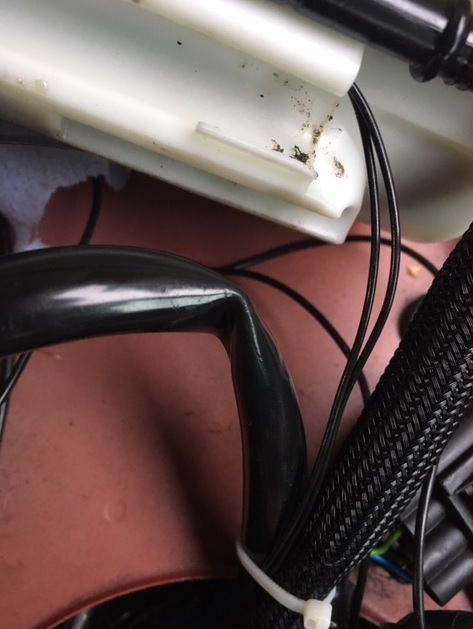
Unless you have an external fuel filter, the filter will be around the pump (wrapped in several layers, so a lot of filtering material) and non replaceable but should be good forever because the pump already sits inside a large ‘cup’ that has itself a very fine plastic mesh around, before the fuel gets to the actual filter. However, as mentioned in the forum linked above, the cup has a small back flow valve at the bottom that can get clogged from dirt inside the tank, causing the fuel to leak out of the cup – when the tank is filled with less than 5 gallons or so – which will starve the fuel pump. You also have fuel pump relays for 2001-mid2004 (on the older CEM style, square relay 3rd position from right to left at the bottom), and inside the engine bay a fuel pump fuse – look behind the fuse panel cover near the ABS unit) on mid 2004-2009 cars. Location of the fuel pump varies: I believe there are at least two configurations. On the rare cars with metal tank, the fuel pump and float are under the right rear seat under a cover with no hoses on it, but the upper seat section needs removed which is a bit of work. See my channel for a video and how to remove the top cover. The bottom of the rear bench is pulled upwards with force to detach it from the securing clips, but sometimes it gets really stuck and you need to use a pry bar under the locking plastic pieces to basically force the whole piece to pop out – and it may break. On other cars, I’m not sure but I think there are two covers, one on each side of the rear bench with a suction hose passing in between the two access holes so the hose needs to be attached to a rope so you don’t loose it inside the tank.
Aisin 5 speed automatic Transmission shifting. I did a video showing main steps for replacing the three main solenoids on the Valve body. I warmly recommend checking the video comments section where I’ve added several extra details not mentioned in the video. Such details as disconnecting the end links so you don’t damage the shocks, how I suggest to replace the fluid (for fluid replacement tips see the video with fluid level below) also someone said he actually removed the two subframe bolts then ‘lifted’ the engine instead of lowering the subframe, and finally another user said he had to also replace the S4 solenoid to improve the 2-3 upshifting. I did not replace this solenoid and indeed, my 2nd to 3rd shifting is the one that still has an ‘hesitation’. Here’s the video
The fuel level gauge is quite inaccurate on these vehicles. I did pull the fuel sender float from inside my fuel tank and did two things: the float is attached with a “U” metal rod around the pump assembly. I think this “U” was a little too loose and could grab while rotating, so I just ‘compressed’ it slightly so it can slide/rotate easier and without grabbing – I slightly reduced the “U” width. And I also cleaned the potentiometer contacts. Ever since I did this, my fuel level gauge is crazy accurate, to the point I have no worries to drive the car even a few miles after the gauge is completely to the left (quite a while after the light comes on). The only moment the gauge goes again wrong is when I park the car on an incline.
Ignition coils. These usually last quite long time, but often times 1 or 2 go bad for some reason. It is not needed to replace them all because they are rather expensive – buy only Bosch. It is good to keep 1-2 coils for spare inside the trunk, along with a torx screwdriver and a 10mm wrench, to replace them when they will fail, so as not to drive with a misfire which will damage the catalytic converter. It is important to also inspect the spark plugs, because worn spark plugs will cause the ignition coils to stress and fail prematurely. Use only the genuine and specific type of spark plugs for your engine. To see which ignition coil is faulty, may do this test (I recommend disconnecting a fuel injector, rather than the coils)
The ABS electronic control module may have problems but is not very common. The unit can be swapped with a used one with matching numbers, or sent to Xemodex for repair.
Rear view auto-dim mirror (the top one inside the car) was optional and unfortunately it goes bad with the electronic glass starting to leak. NEVER throw away your rear view mirror, this mirror contains the UEM upper electronic module which is the one that locks unlocks the car when you use the remote (the ‘manual’ rear view mirror also contains this module). If you have the optional auto-dim mirror that starts leaking, get a used one from Ebay then send both of them to Xemodex.com to have them clone the software from your original one to the used replacement one. A small TV shop that repairs SMD micro electronics can swap the small chip from a mirror to another, no programming needed, see this forum discussion https://www.matthewsvolvosite.com/forums/viewtopic.php?t=24386
Sway bar (anti-roll bar or torsion bar) bushings to subframe worn and making noise. This starts knocking especially in warm summer days, after driving uphill. It’s a knock like a worn end link. I found a DIY on XC90 that doesn’t remove the bar, and it’s only replacing the bushings and the small brackets. Notice the tools he is using, also on the S60 V70 the space for the rear bolt may not be the same – may be smaller. I haven’t tried this DIY, and I don’t know how well those bushings hold or last, and don’t know if the bar would ‘walk’ and make noise because it’s no longer vulcanized. Up to you to try – the owner said “it’s easy”, but I think it will require quite some patience because the two bracket bolts are hard/stiff to turn, and it takes very long time to remove them https://www.volvoforums.org.uk/showthread.php?t=277529 If you are looking to replace with a used one, the 2007-2009 S60 got a new sway bar design, with ‘solid’ bushings, which are supposed to last longer.
Subframe bushings (4). Use ONLY genuine, don’t let yourself temped to buy a $10 bushing. These are not always that damaged and can last longtime. PERSONALLY, I don’t think it’s worth replacing these. They may get very soft and front ones may even leak, but overall I’ve never seen these completely failed at the junk yard. However, these may increase engine vibrations. Some people believe these also cause ‘vague’ steering feeling and try those poly inserts, however people have reported little improvement. I think the main reason for vague steering is the steering rack box and work control arm bushings. But if you do want to replace them, here’s a DIY video. Please note that installing a new bushing is more difficult and requires a high lifting jack floor. Be sure to make the metal subframe surface very smooth and use a bit of grease.
Engine mounts. The top mount is a torque mount and fails prematurely. It was replaced with a new design that has a bit of a play to it. The second small bottom mount in the front of the transmission may also wear but it’s less important. Ipd sells a polyurethane one which I think it’s a scam, really not going to improve anything and fools people thinking it’s going to improve transmission shifting which is a completely different issue. The right lower engine mount near the crank pulley can get damaged if the subframe is lowered for various reasons. The two main engine mounts are long lasting on the gasoline engines, but fail prematurely on the diesel engines. Use only a quality brand such as Hutchinson or Genuine.
Anti-skid problems. Very common issue anti-skid service message on the display or anti-skid light. The first thing to verify are the center axle (drive shaft) bolts, these can loosen up. These are 14mm bolts with a large washer, that secure the drive axles (front wheels + I believe rear wheels as well for the AWD cars) to the wheel hub. These are stretch type so replace them with new, torque 25 ft-lbs (35 Nm). The reluctor (also called abs rings) sits on the CV joint behind the front wheel and can develop cracks from rust on the CV joint. On the XC90 the Yaw sensor is exposed to humidity and gets faulty, more rarely on S60 with DSTC. See also the next section with Warning messages. Sometimes the SAS steering angle sensor goes bad but read first the following. It seems the XC90 has more problems with Anti-Skid messages than the other Volvo cars. Of course, there is also the Yaw sensor, but see what a Volvo tech says about this problem (it’s jymmy57 on forums) “”Some SAS codes are due to the system sensing the car turning even slightly while wheel is in straight ahead position or going is going straight ahead as reported by the attitude sensors and the SAS says wheel is turned. Is the wheel centered when driving straight ahead? There are two sensors in back of center console that report Yaw and lateral acceleration. The Yaw one (serviced as a set) is the one that can falsely report attitude and the ABS system can blame SAS, especially when the alignment is off in a way that allows the wheel to not be in the straight ahead horizontal steering wheel spokes position when traveling. While the Yaw sensor can get bad because water/snow accumulating under the front seats, if the error code points to the steering angle (also name clock spring) sensor, try first to correct the wheel geometry and steering alignment (it’s done when doing the wheel geometry) then ask Volvo to try recalibrating the clockspring sensor, before replacing it.
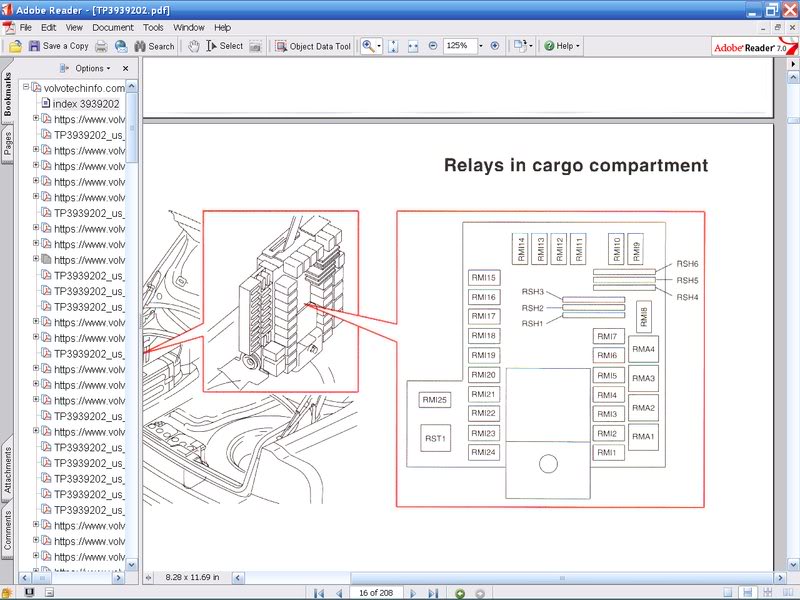
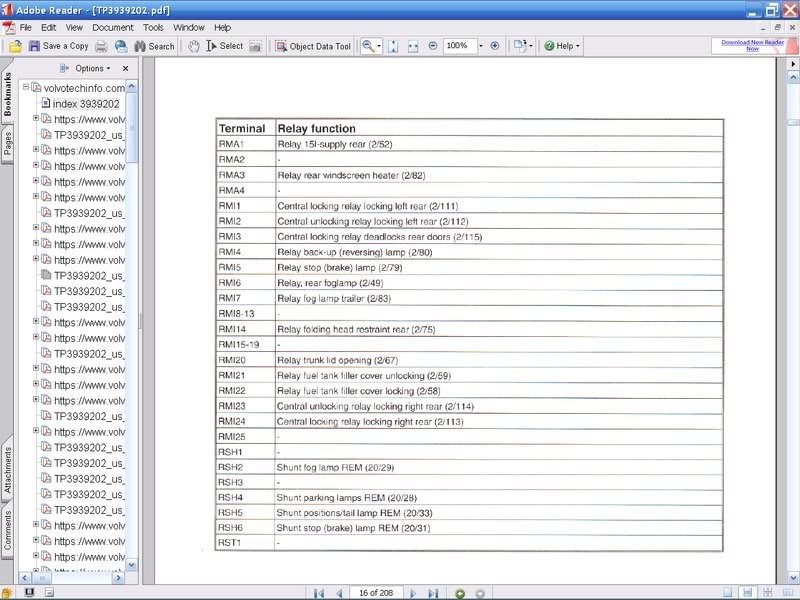
No brake lights. Check the bulb sockets for corrosion, may inspect the brake pedal switch (a tricky part to set and remove, see my Youtube channel). The upper LED brake light goes to the CEM. The lower left/right brake lights go to the REM (trunk module left side) – often times the problem is a bad relay. For the lower brake lights, there may be two different REM configurations depending on the years. Check both possibilities:
1. brake relays RMI5 and RSH6
https://volvoforums.com/forum/attachments/volvo-s80-18/23952d1501376577-relay-diagram-s80relays.jpg
https://volvoforums.com/forum/attachments/volvo-s80-18/23953d1501376577-relay-diagram-s80relays1.jpg
2. brake relay no 7 https://www.justanswer.com/uploads/AutoTechGuy/2008-03-03_171502_diagram2.jpg
Climate module (CCM) problems. These are quite common. There is a small temperature sensor (thermistor) behind the grid near the right temperature knob, vacuum this sensor without touching it, to keep it clean. This sensor may also fail when jump starting or replacing the car battery – keep the ignition key in POS II with headlights on when working at the battery. If the sensor is physically damaged, the CCM may be completely dead with no power at all. The sensor is relatively easy to replace – be sure to undo the car battery. The sensor appears to be a standard 10 kOhm at 25°C NTC type (Negative-Temp Co-efficient). You can test it once removed, as you blow your breath on it, the resistance should decrease. Failed sensor may cause weird behavior such as only floor vents working. Low refrigerant may cause cooling only on one side. If the cabin blower stops working or works on high speed, replace the blower resistor (large silver piece attached to the blower). Sometimes the cabin temperature will start fluctuating from cold to warm – try a CCM recalibration, this can be done with more expensive scanners or with VidaCars with Auto on the Recirculate button, have an Air Quality Sensor (AQS) that is always faulty after 10 years. On 2005-on cars this may cause issues. May try to disconnect it (fuse is common with the CCM so can’t remove it) so it doesn’t affect CCM operation.
See in the comments section of this video for the air quality AQS sensor
Alarm siren module. This is a small box located inside the right front fender, and has a small battery inside that goes bad after 10 years and leaks on the circuit board and causes a parasitic drain. It can also cause problems with the sunroof and door locks and even windows. The first thing is to remove the fuse for this module – this will prompt a 5 seconds message upon each start of the car. The best is to buy a used one from an Ebay member that can guarantee it. Below, videos to locate the fuse (2 different locations) and to remove the siren – I’m actually using a easier way to connect a new siren module, which can be done by anyone who has a regular drill. I have more videos on my channel, one shows how to replace the battery, the problem is this battery is hard to find with the correct amps and the chinese ones will go bad in less than 1 year.
On turbo engines (2.4T 2.5T and T5) from 2003-2009 the connector to the throttle body (ETM) may have a problem and throw throttle body codes. Have a look at this forum topic https://forums.swedespeed.com/showthread.php?257161-Throttle-body-wiring
Inner tie rod replacement, counterhold tool and parts https://www.matthewsvolvosite.com/forums/viewtopic.php?f=9&t=88332
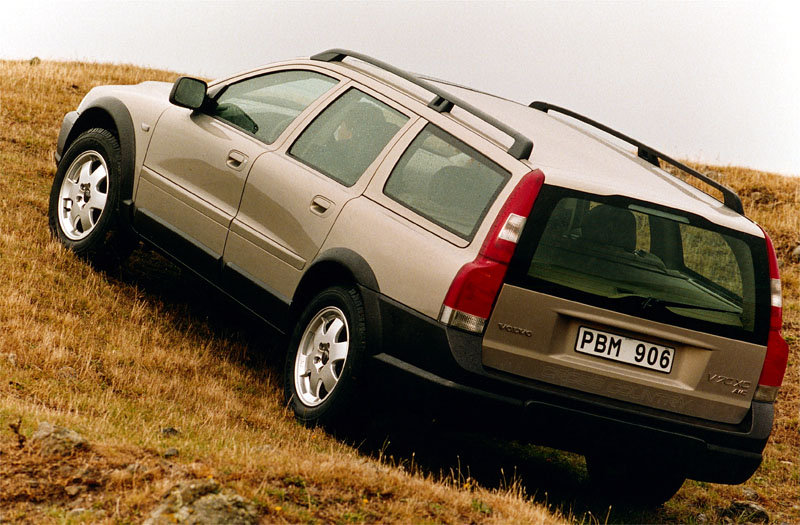
A few words on the XC90, these otherwise very nice SUV had some costly issues. The early twin turbo T6 had fragile transmission (a 4 speed GM unit) that gives up every 50k miles or so. The 2.5T XC90 were perhaps the weakest engines but also the most trouble free (same engine as in the S60). The first production years of the 3.2 6 cylinders had problems with the R.EA.D. unit. The V8 engine is very nice and thirsty, made by Yamaha – the first years had problems with the balance shaft bearing at high miles (starts rattling) and also generally speaking it’s more expensive to maintain as access for repairs is limited by the engine size. On the T6 bi-turbo engine, when replacing the timing belt, usually there is a small plastic vent on the silver thermostat housing. This vent always breaks when removing the belt cover. This vent was lately upgraded to metal, but if you have plastic one, have already a replacement thermostat housing ready when replacing the timing belt https://www.swedespeed.com/threads/need-info-on-timing-belt-replacement-xc90-t6.174402/ The 4 speed transmission on the T6 engine lasts about 50-70k miles
Front windows calibration
“Time for regular maintenance” message. For cars 2002-up (2001 procedure is different)
2. Common Warning or error Messages
Please note that these are only LEADS, don’t buy new parts “just to try”. Best is to get used cheap parts and try them. Feel free to reply with your own experience and suggestions
Also check this useful website with information about troubleshooting various problems (scroll down as there are other cars besides Volvo) https://www.youcanic.com/guide/volvo-srs-airbag-service-urgent
1. REDUCED ENGINE PERFORMANCE (may also show Engine System Service Required, Engine Service Required) This very annoying message is usually followed by poor acceleration (limp mode), and more rarely by no starting. It seems even Volvo dealers have trouble diagnosing this, despite codes. Early cars (01-02) had problematic throttle body units (Magneti Marelli). On manual cars, test the clutch pedal position sensor. On all cars, test the VVT solenoid(s), inspect all turbo pipes (for turbo engines), check the brake pedal position sensor (at the booster), the PCV system (the ‘glove’ test), you may also see a accelerator pedal sensor code but it may not be relevant. One owner reported the message disappeared after he replaced the oil filler cap on top of the engine – try first replacing its seal, I’ve used a seal from the local hardware that fitted. On D5 diesel engines (Europe, Australia), it may be a particulate temperature sensor (DPF), turbo hoses, fuel filter.
2. IMMOBILIZER, SEE MANUAL. No start – no crank but good battery (also see point 5). Annoying issue that happens mostly when the car was parked for a while and the battery got flat. Also sometimes after replacing the car battery. This may be due to a corrupted software that is recognizing the chip in the ignition key. I haven’t seen anyone coming back and say he fixed the issue, I would suggest seeing the Volvo dealer and ask if they can reprogram the car CEM software (not the key chip). But be aware: Volvo dealerships are already sharks and seeing you coming with such issue, they may start saying: you need to replace they key, then -$400 later you need to replace the CEM, then… you get the idea. Have a look at the paragraph at the beginning of this blog for help. More rarely, the antenna around the ignition barrel goes bad (or it’s green connector gets loose) and can also cause immobilizer issues. May also try locking-unlocking the driver’s door three times with the key fob. May also try disconnecting the negative at the battery for 8-12 hours, have the key in POS II when reconnecting (headlights on). Always disconnect the negative at the battery when parking the car for over 1 week or use a trickle charger.
3. “START PREVENTED ” message. When you get the “Start prevented” message, try using the other key/fob, and make sure you don’t keep two keys together. Check none of the fob buttons is stuck and may try replacing the fob battery. There may also be issues with the antenna ring https://youtu.be/N8j61tJJysU
4. ANTI-SKID SERVICE REQUIRED. Very common fault, could be several things, read the codes or otherwise try replacing with used part to test. Loose axle bolt (replace with new), cracked wheel reluctor ring, clockspring (steering angle) sensor – read below, yaw sensor (if equipped), brake pressure sensors (if equipped, 2 located on the brake lines inside the engine bay, get used ones, need 27mm deep socket to remove, see this thread https://www.volvoforums.org.uk/archive/index.php/t-237402.html). It seems the XC90 has more problems with Anti-Skid messages than the other Volvo cars. Of course, there is also the Yaw sensor, but see what a Volvo tech says about this problem (it’s jymmy57 on forums) “”Some SAS codes are due to the system sensing the car turning even slightly while wheel is in straight ahead position or going is going straight ahead as reported by the attitude sensors and the SAS says wheel is turned. Is the wheel centered when driving straight ahead? There are two sensors in back of center console that report Yaw and lateral acceleration. The Yaw one (serviced as a set) is the one that can falsely report attitude and the ABS system can blame SAS, especially when the alignment is off in a way that allows the wheel to not be in the straight ahead horizontal steering wheel spokes position when traveling. While the Yaw sensor can get bad because water/snow accumulating under the front seats, if the error code points to the steering angle (also name clock spring) sensor, try first to correct the wheel geometry and steering alignment (it’s done when doing the wheel geometry) the ask Volvo to try recalibrating the clockspring sensor, before replacing it.
5. ABS / ANTI-SKID SERVICE REQUIRED. On top of the point 7, could he BCM (Brake control module, some call it the ABS Pump), see Ebay for repair. Also check this site https://www.youcanic.com/wiki/volvo-abs-anti-skid-service-required . On AWD cars, the DEM may also corrode internally – see Xemodex site for details.
6. TRANSMISSION NOT SHIFTING. Several causes, a possible cause is faulty brake pedal switch (at the brake pedal), or brake pedal position sensor (at the brake booster servo, inside the engine bay).
7. BRAKE WARNING light. This may come with limp mode (won’t accelerate pas certain rpm, or over the 3rd gear). Rather common on cars with DTSC (see lower buttons on the center console). The Brake Pressure Sensors can go bad. There is two of them under the master cylinder (also check their fuses). May also be caused by CEM water ingress on 2004-2009 or by ABS module or controller fault (BCM). Before suspecting the BCM, make sure the ABS electric motor is working – it’s inside the black metal cup sitting on the top of the ABS hydraulic unit. This motor may work intermittently, also inspect the wires inside the motor.
I keep developing 🔨 this section as of Mars 2020, keep coming back 😉
3. Troubleshooting
I will post here from time to time, more difficult issues that are difficult to identify and fix. All is from forums, and these are only leads, things you may want to test/check
1. Hard starting with engine how/warm (engine cranks but doesn’t start or it’s hard to start). Make sure the fuel pump is priming (whirl noise). The pumps are rarely a problem, unless the pump was already replaced with a cheap one. Check fuel pressure (non turbo 55 psi, turbo 60psi), PEM for corrosion ($40 off Ebay) and FPS is you have these, Maf contacts https://forums.swedespeed.com/showthread.php?408313-Warm-hot-starting-problem/page2, coolant temp sensor wires near the plug (watch the needle moves smooth as it’s reaching temperature), crank position sensor, stripped crankshaft gear splines https://volvoforums.com/forum/volvo-s80-18/stripped-teeth-crankshaft-timing-gear-89394/, may also remove the ECM modules (see Youtube) and spray some electric grease on the contacts, verify the wires to the starter (may corrode inside), and the wire at the big connector on top of the radiator fan.
2. Engine will stall/not start, with various messages such as ‘Brake failure’ ‘Immobilizer message’, transmission not displaying the gear (indicator shows ‘-‘ rather than ‘D’) and staying in 3rd gear (limp mode), cluster dials stop working, may or may not even crank. This problem may be intermittent. Only on cars equipped with AWD, open and look at the DEM module for any internal corrosion traces (look up on the Xemodex.com site for pics). Brake failure message can also be caused by CEM water ingress on 2004-2009. Same brake failure, stop safely message can be caused by faulty BCM (ABS module) or related fuses or connectors, apparently the car may drive fine with the module disconnected (while out for repair) but the odometer and cruise control will not function. BCM failure may also cause the transmission to act up.
https://www.matthewsvolvosite.com/forums/viewtopic.php?f=9&t=94079
https://www.matthewsvolvosite.com/forums/viewtopic.php?f=9&t=94079&start=10
3. VARIOUS instrument panel or electrical faults/behaving, transmission shifting poorly and ‘banging’ all of a sudden in gear, Brake failure message, etc. On 2004-2009 on Volvo used a new CEM design, which was prone to water ingress from a weak seal located outside, under the windshield cowl. Can look for traces of water on the CEM unit using a flash light, under the dash. See Youtube how to remove the CEM but it’s very tricky because of very tricky connectors, also the CEM must be rotated slightly to disengage it from it’s bracket. Ebay has repair services, also Xemodex but quite expensive (ships from Canada).
4. INSTRUMENT PANEL fault – may go black and have only a check engine light on. For 02-03 the DIM was faulty, can be replaced with compatible units (same numbers on the side) but will display the miles from the donor car. Ebay repair services
5. WEIRD electrical issues not described above – always test the battery and the alternator voltages. Alternator will have 13.5-14.5V. For the battery, disconnect the negative, wait 1h, then measure.
6. NO START or STALLS (shuts down). Besides a weak battery (may still have lights, but won’t crank), inspect following power cables: near the battery, open the black box where the positive cable goes, check for corrosion (disconnect the battery before). A small wire at the starter may be corroded inside the plastic jacket. On 2004 (or 2005) and up, a wire can corrode at the top radiator fan connector and may cause the engine to crank but not start (this connector is very tricky to remove so don’t try to). Look closely at the two wires entering the coolant temperature sensor connector. When the car starts, make sure the temp gauge climbs steadily all the way to 12h. Also verify the dash outside temperature (the digital value) is correct – sensors are in the side mirrors. Also check the rear engine ground, behind the block, at the top, besides the cyl #1 and look closely at the wiring to the ignition coils. Faulty VVT solenoids may also cause hard starting. A rare but hard to find no start condition with warmed up engine is stripped teeth on crank shaft gear https://volvoforums.com/forum/volvo-s80-18/stripped-teeth-crankshaft-timing-gear-89394/
7. On Volvo XC90 with the 3.2 engine, a faulty MAF may cause misfire in several cylinders and possible message “Try slow down or shift up”. See this topic https://www.matthewsvolvosite.com/forums/viewtopic.php?f=10&t=87918 These 3.2 engines also have a problem with sudden thermostat failure and engine overheating, it is suggested to replace the thermostat before this happens.
8. High fuel pressure. Cars from 2003 are equipped with a fuel pump electronic module PEM and also a fuel pressure sensor at the injector rail, FPS. The PEM has various locations depending on year and model. When located outside the cabin, it corrodes inside and causes various fuel pressure and delivery malfunctions. A used module is $40 off Ebay and it’s the same unit, even for S40 V50 2nd gen. No programming needed, look for a unit without corrosion on the cooling metal plate.
9. Battery drain overnight. This is a problem especially if you don’t use the car often times, disconnect the battery so you don’t get immobilizer problems (see how to park the car and lock the doors on my channel). Places to check for current drain: alarm siren module (main culprit, see the alarm siren section above), amplifier under right front seat getting wet, rear plate lights bulb sockets, trunk lid harness near the left hinge (especially on V70, but also on S60 – for the V70, just insulate/repair the wires without removing the harness), corroded module behind the battery (red cable) from water leaking from above harness plug near the left hood damper (S60), corrosion inside the REM and CEM, corroded thick wire at the radiator fan connector (05-up), corroded door switches module from rain when the door is open, on AWD the DEM also gets corroded internally, cracked power cable at the starter Under the plastic insulation). On 2004-2009 a common battery drain cause is the widespread CEM corrosion from water ingress. Basically most cars will develop this problem https://youtu.be/HwxCu72QEdE
10. Vibrations at speed. Of course, besides unbalanced wheels, usually it’s a worn CV joint – see videos how to check these for too much play. Also, if it vibrates under acceleration or when going uphill, inspect the small bushing at the control arms with the wheel lifted. Also keep in mind that cheap small garages don’t always calibrate their balancing machines or worse – have a worker that doesn’t care much to do a good job. I’ve also had a good tire shop trying to balance a wheel for about 30 minutes on a performant machine with digital color screen, etc. Turns out, the tire had sand/rust inside that you could hear by running the wheel on the floor: obviously the sand inside made it impossible to balance properly. If the whole floor vibrates, you may suspect either front axles (CV joints) or a rear wheels being unbalanced: this will transmit vibrations to the whole car, but usually at higher speeds, above 70-80mph. On AWD the propeller shaft can wear and cause vibrations on the floor/seats from lower speeds while the steering wheel may not vibrate. On diesel engines you can also suspect vacuum engine mounts which are well known to fail and cause car vibrations. Polyurethane engine mounts or subframe mounts also cause vibrations. Don’t fall for garage scams saying worn shock absorbers cause steering vibrations or you need new tires.
11. Vibrations when braking, felt in the brake pedal and the steering wheel, are usually caused by deformed brake discs, however make first sure all five wheel lugs have the same torque. Cheap brake discs are more prone to this issue. I recommend to use the genuine lug bolts with a washer on them, these are easier to tighten down to the correct torque. Stuck caliper sliding pins also cause this problem – use only the genuine silicone grease from Volvo or don’t put any grease at all on these pins. If the pins don’t slide easily inside the rubber bushings, replace these bushings and also grind a little the rust inside the caliper hole where the bushing is inserted.
https://www.fcpeuro.com/products/volvo-wheel-lug-bolt-kit-febi-kit
12. Turbo engines making a lot of white smoke from exhaust at start up and also consuming a lot of engine oil. Have a read on these two discussions https://www.matthewsvolvosite.com/forums/viewtopic.php?t=24352 https://www.matthewsvolvosite.com/forums/viewtopic.php?f=9&t=19983&start=10
13. Weak cabin heating. If there’s little heat coming out of the vents in winter time, there are usually two possibilities. Either the Climate Control Module blend doors are off adjustment (can try a CM recalibration), either the heater core (matrix) is clogged. It is simple to test the matrix for blockage: touch first the two upper coolant rubber hoses coming from the engine, inside the engine bay: noth should be hot to the touch. Then inside the cabin, touch the exposed side of the heater core: it looks like a piece of brown plastic right under the metal pipes connections. If it’s cold, the heater core may be clogged. Use only a quality brand, such as Behr. Please read the comments section for more details. On Left hand driving cars, removing the heater core is relatively easy. In the following video, the steering shaft coupler can actually be pushed upwards to easily clear the matrix for removal. On Right hand driving cars, please read the comments of the video for instructions, as a piece of plastic must be cut in order to remove the matrix.
14. Harmonic balancer failure (crank pulley). This can cause the serpentine (auxiliary) belt to come off or run off the pulleys. The Harmonic balancer may also wobble. While this seems to happen rarely, a few owners had the rubber band detaching off the harmonic balancer pulley. Be aware that this can destroy the engine if the serpentine belt wraps around the crank pulley and causes the timing belt to just teeth. See the picture below with a new pulley at the left, and a damaged pulley at the right (with the rubber band apart). I don’t know why this happens and at which miles. Be sure to buy a genuine replacement part – even a used one in good condition. I don’t recommend Febi or URO for this part.

15. Key won’t turn in the ignition tumbler (barrel). Make first sure the steering lock in not locked and always release the steering lock WHILE turning the key, never force on the ignition key to turn it. If the key still doesn’t turn past the POS 0, see these two forum discussions, same problem on older P80 and all newer P2 Volvo cars https://www.matthewsvolvosite.com/forums/viewtopic.php?t=67531 https://www.matthewsvolvosite.com/forums/viewtopic.php?f=1&t=67376
https://www.volvoforums.org.uk/showthread.php?t=171220
16. Car feels ‘stiff’ on the road, rides harsh. Mostly due to two things: old shock absorbers and big wheels – especially the 18″ wheels, but also the 17″ ones. The original shock absorbers get stiff as they get old, they won’t leak and still bounce (dampen) very well, but they get stiff. However, they will have the car drive very stable on smooth roads, so have them replaced only if you feel the ride is too stiff for your liking, as the new shocks may get the car to sit higher and to loose the quality of the handling. The 18″ wheels – and to a less extent the 17″ ones, do rub in tight turns.
17. Loose shifter (manual transmission). It appears there are several bushings that wear and replacement is quite a difficult job. Read these two forum discussions
https://www.swedespeed.com/threads/loose-shifter.186017/
https://www.swedespeed.com/threads/snabb-shift-kit-install-notes-and-first-impressions.166861/
CODES (new section in development)
P0074 – causing stalling, possibly faulty exterior temperature sensor located inside driver’s side mirror (LHD), this may also be the sensor used by the ECM to measure the exterior temperature. Some cars may have a second sensor in the other side mirror, for the dash exterior temperature
BCM-0070 might be faulty ABS motor pump (the black metal casing on top of the ABS valve unit. Test your old pump at the battery before replacing it. In theory all motor pumps should be interchangeable but careful when removing it as it has a washed at the bottom that needs to stay in place
CEM-1 A5F code for BCM communication error along with a BCM-0052 internal fault and BCM-0050 signal missing codes. On my 2003 with older style CEM, I was able to clear these codes by replacing two relays on the CEM. Of course, you may have problems with either the CEM or the BCM, but look first at the relays. This blog gives extra troubleshooting https://www.youcanic.com/wiki/volvo-abs-anti-skid-service-required
4. Which parts brands to buy
There are good sites selling genuine parts for less than many dealers, such as Tasca, but most of the time it’s better to buy the good quality aftermarket parts from sites such as Fcpeuro, Ipdusa, Eeuroparts (ask for shipping for Canadians) and even Rockauto. Be aware that all these sites also sell many poor quality brands that last from few months to 1-2 years. Not all rubber is the same! The good quality brands are Sachs (suspension parts), Ina (pulleys, bearings), Contitech (timing belt kit without water pump), Aisin (water pump – be aware that Contitech kits may come with a Graf water pump which I don’t recommend, stick with Aisin, also we usually replace the pump only at the second timing belt however check first to make sure the previous owner did not install a cheap water pump because it will fail quickly and all of a sudden and you will lose your engine), Rein/CRP (spring seat only), Corteco (‘maybe’ strut mount bearings), Lemforder (only ball joint, end links and tie rods), Meyle HD (only end links), IPD HD (control arms good for 3-5 years), Boge, Bosch. For subframe bushings, use only genuine from Volvo. Same for control arm replacement bushings. A few words on the Lemforder brand: as of 2020, they are selling very poor quality strut mounts (fails in few months), their control arms don’t last longer any more. It seems this brand is sourcing poor parts recently. Be aware that Continental timing belt kits come with Hepu water pumps which may or may not last long. I would rather use Aisin pumps, but remember that the original genuine pump (which is made by Aisin) lasts very long time, and usually Volvo is replacing it only with the second belt. Many other known parts may have products that simply don’t last long enough, some not even 1 year or so, even when they are made in Germany (such as Febi). Don’t touch brands like ProParts Sweden (or Professional Parts Sweden, also known in the past as ScanTech) – these have fancy names and terrible quality to them. Finally, keep in mind that brands who make the parts for Volvo, also sell aftermarket but these aftermarket parts and not always the exact same quality as the genuine ones. I think the tendency is that the aftermarket parts are getting lower in quality, even from brands with good reputation – it’s the pressure of the market.
Several parts can be bought used from Ebay, and installed without programming – including several electronic modules. It is an inexpensive way to fix these cars. Some more complex electronic modules, such as the DIM, DEM, ABS module, CEM, can be repaired by a Canadian company called Xemodex, although it is not cheap (but cheaper than a new replacement part from Volvo). They can also program these modules, if needed. You also have repair services on Ebay, and some local TV repair shops may also be able to repair SMD electronics.
Many genuine (or made for Volvo) parts have the production date stamped on them, so you know if the part was already replaced, or if the used part you want to buy is very recent
5. Official information : specs bolts torques, maintenance schedule, owner manuals, electric diagram manuals, year to year changes, battery specifications
Official Volvo S60 V70 etc. manuals https://www.manualslib.com/v/volvo+s60.html
Nice and complete official owner’s manual Volvo S60/S60R https://az685612.vo.msecnd.net/pdfs/28e435bab823d0274de72b92add570207bd2ed4a/S60_owners_manual_MY06_EN_tp8147.pdf
Volvo cars workshop manuals – All years and all Volvo models https://workshop-manuals.com/volvo/—
Wiring diagrams 2005 vidaresources.volvocars.biz/ewd/US%20Eng/3977202/images/3977202.pdf
Year to year model changes – scroll down, click on each link, then click ‘more’ on each paragraph https://www.nadaguides.com/Cars/Volvo/S60
ALL FUSES https://knigaproavto.ru/shemy/en/volvo/s60/393-2001-2009-volvo-s60-and-s60-r-fuse-box-diagram.html
ENGINE POWER CHARTS. All of these are dyno measures – so not official
2.4D (diesel) and 2.5T https://ecu.design/gallery/volvo/
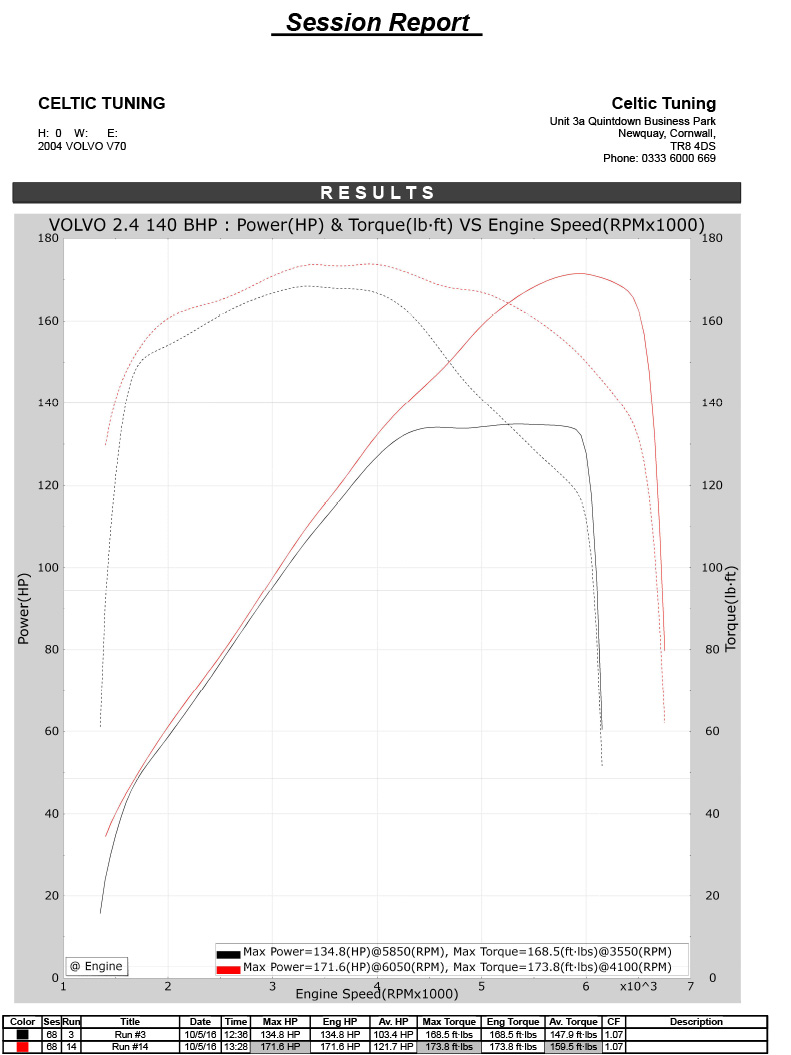
2.4 non turbo gasoline 140hp: Volvo sold this ECU detuned version of the 168hp engine. Dyno shows tuning back to 170hp which would also represent the curve for the original 168hp version of this engine
https://s3-eu-west-1.amazonaws.com/powercharts/Volvo_V70__24_20v_2435_cc_2000-2007_140_bhp_Stage_1:__177_bhp__167_lbft.jpg
S60R V70R http://en.bsr.se/tuning-kits/t/406/volvo-s60-r-300hp-2003-2008-b-5254-t4
S80 T6 (sorry can’t help with pic quality) https://www.dyno-chiptuningfiles.com/media/uploads/system/products/lightbox_dyno/4630-volvo-s80-t6-272hp.jpg?_=1589294902
S80 V8 (not sure about this chart) http://www.v8volvos.com/wp-content/uploads/2011/11/V8Volvos-LM4-with-LS6-Cam-Dyno-Graph1.jpg
If you want to listen to a 5 cylinder engine sound at idle as it was sounding when it was new (in good condition), see this video at around 7:45 – the person is talking but you can hear the engine in the background. https://www.youtube.com/watch?v=BbtlpXdHsY0
Volvo battery specifications with the CCA values – cold cranking Ampers http://www.volvohowto.com/volvo-batteries-guide-amperage-dimensions-volvo-models/
Volvo bolt torque tightening specifications https://www.volvowholesaleparts.com/s60-torques . Also see this page (sometimes it doesn’t work) http://www.volvohowto.com/volvo-s60-v70-torque-specs-specifications/ Careful when converting from Nm to ft-lbs, use online sites https://www.thecalculatorsite.com/conversions/common/newton-meters-foot-pounds.php
Official Volvo Maintenance schedule (all years and engines) Please add to this transmission fluid change with the correct oil type (ask on forums) http://www.volvohowto.com/category/scheduled-service-maintenance-plans/
Another useful site (scroll down as there are other cars besides Volvo) https://www.youcanic.com/guide/volvo-srs-airbag-service-urgent
Forums
https://www.matthewsvolvosite.com/forums/ (US forum)
https://www.volvoforums.org.uk/index.php (UK forum – manual gearbox and diesel engines)
https://forums.swedespeed.com/forumdisplay.php?12-S60-(2001-2010)
More issues (this section will not be developed 🔨)
- Xemodex in Canada can do electronic modules repairs but it’s expensive (CEM, ABS, etc)
- 2001-mid2004 have corroded/leaking power steering lines near the steering rack
- Brake booster hiss – lube with silicone-teflon before it fails https://www.youtube.com/watch?v=7m9Zwg7IbBw
- Radiator fan controller can fail (fan won’t spin even with A/C on)
- Coolant Thermostat tricky to replace (see my video)
- Heater core (matrix) can become stuck or can leak, see my video pay attention the two pipe clips are impossible to place back if the clips are slightly bent or if the pipes don’t sit perfectly perpendicular
- Intake air thermostat on non turbo – engine bay overly hot, pinging, see video
- Water inside headlights – faulty upper seal, put silicone from outside
- Headlight bulbs are insanely hard to replace especially on plastic headlights from 2004 on
- Transmission solenoids and B4 servo (replace transmission fluid with 3309 type, from Toyota or Mobil 3309 every 50K miles, don’t listen what Volvo says with ‘sealed for life’)
- Cvvt solenoid may fail causing rough idle, hard start
- ECM contacts corrosion on 2004-on very common https://youtu.be/HwxCu72QEdE
- ECM cooling fan getting slow/noisy
- Throttle body gets dirty and sticky – needs cleaning inside
- 2005+ problems ABS module/ABS pump, module needs repaired
- ETM reduced engine performance on 2004+ models
- CEM fuse failed – gives abs/brakes light
- XC70 and R models have the 4C shock absorbers, replace with Monroe (about $400 each). Rear shocks can also be replaced with spring and regular shocks on the XC70.
- Manual transmissions common & expensive clutch slave cylinder and flywheel failures (the transmission/engine needs removed
- Hard steering – seized lower coupler, wrong fluid (use only Pentosin), worn p/s pump looses pressure. The power steering pump will develop a leak at the pulley but this is not important it doesn’t need replaced. Speed sensitive steering option have a sensor on the rack that may go bad (hard steering) or the Servotronic module may fail https://forums.swedespeed.com/showthread.php?193743-04-V70R-MT-speed-sensitive-steering
- Faulty hand brake cables are the usual cause for weak handbrake power (hard to replace). The original rear parking brake shoes do delaminate if the car is parked on inclines, and the shoes metal then grabs on the brake drum, breaks and destroys the rear hub – if you hear any noise from the rear wheels inspect the park brake shoes immediately
- Rear exhaust hangers (replace with aftermarket)
- Exhaust flexible (downpipe, new part needs welded in)
- FPS sensor failure and fuel pump PEM controller corrosion causing fuel delivery problems (don’t let less knowledgeable garages replace the fuel pump, have the FPS and PEM checked first)
- Control arms replacements have poor quality bushings, including Lemforder
- Front sway bar (anti roll bar) bushings worn causing knocking, difficult to replace, only OEM
- Struts/shocks become very stiff when old
- Spring seats failure, use Sachs
- Broken springs on the XC70 is quite common, recommend replacing them by pairs, Lesjofors seems to be a good brand
- Strut tower can get destroyed by RUST from underneath (the chassis part with three bolts where the front strut goes underneath). It is good to remove the strut and look for rust underneath the tower with a flash light. In time the rust can eat the tower metal to the point of the car needing to be scrapped. See this video https://www.youtube.com/watch?v=a3gNNboxytg
- Front brake flexible hoses cracked on the hidden side at the bottom
- Alarm siren internal battery failure
- a/c temp sensor on Evaporator under the dash causes weak cold airflow
- Water leaks UNDER the front/carpet – several causes, the carpet looks dry but lots of water underneath see my videos
- HU-850 radios (2005 and up) are very problematic
- DIM (cluster, from 2001-2003, have it repaired off Ebay repair services or a TV shop)
- Inner door handle failure
- Sunroof shade sliders failure
- Gas tank level inaccurate see my video
- Heated mirrors failure, can be replaced
- 2001-2002 had costly problems with throttle body and transmission
- Rubber on ignition key can get sticky/deteriorate ($300 at Volvo). I removed the rubber, see my video.
- Diesel D5 engine problems : intercooler, CORE PLUG (sudden massive oil loss) https://www.volvoforums.org.uk/showthread.php?t=199921 https://www.volvoforums.org.uk/showthread.php?t=289377
- D5 engine: engine mounts, swirl chamber operating arm. D5: the serpentine belt snaps after 120k miles, wraps around the crank pulley and ruins the engine head: very common. Remove the serpentine belt & check all pulleys by hand.
- It is not possible/very difficult to install a remote starter on this car.
- Radio units up to 2007 don’t have Aux input and don’t play MP3. Owners in UK prefer to install GROM devices – see their forum https://www.volvoforums.org.uk
- Volvo wheels are not compatible with any other car brands, if you need a second set of wheels (winter tires), look for used Volvo original ones.
- Electrical problems on 2004+
- https://www.matthewsvolvosite.com/forums/viewtopic.php?f=9&t=80918
- http://forums.swedespeed.com/showthread.php?171651-anti-skid-service-required-xc90-shuts-off
- https://repairpal.com/abs-control-module-may-fail-265
- http://forums.swedespeed.com/showthread.php?333633-BCM-0070-Indy-Volvo-thinks-it-s-pump-not-the-module

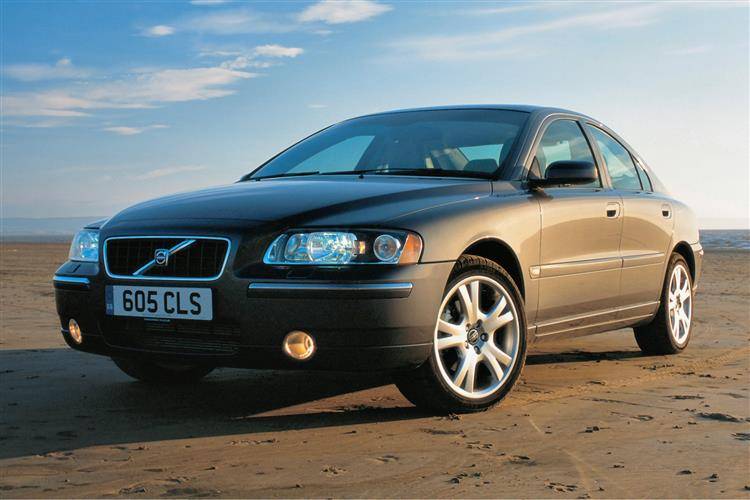

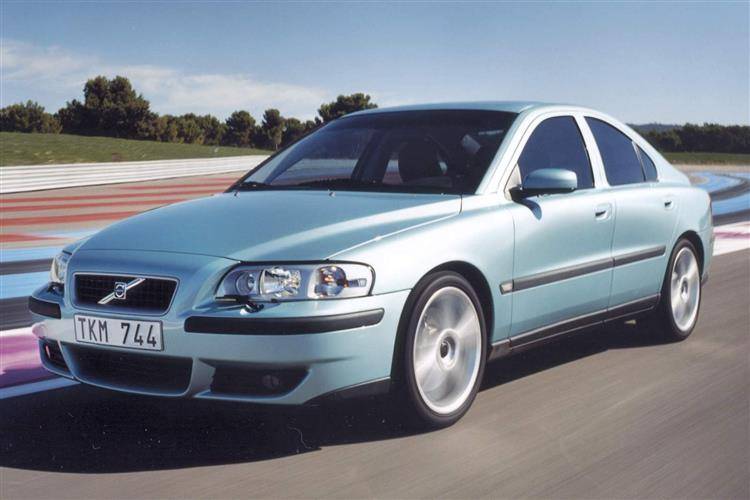

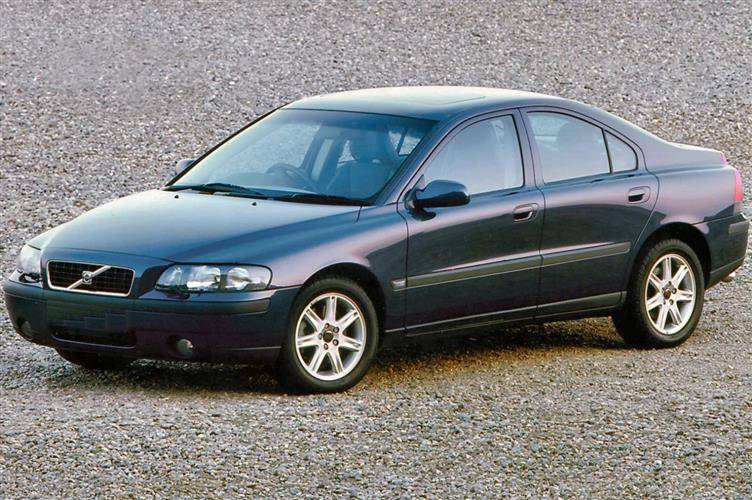
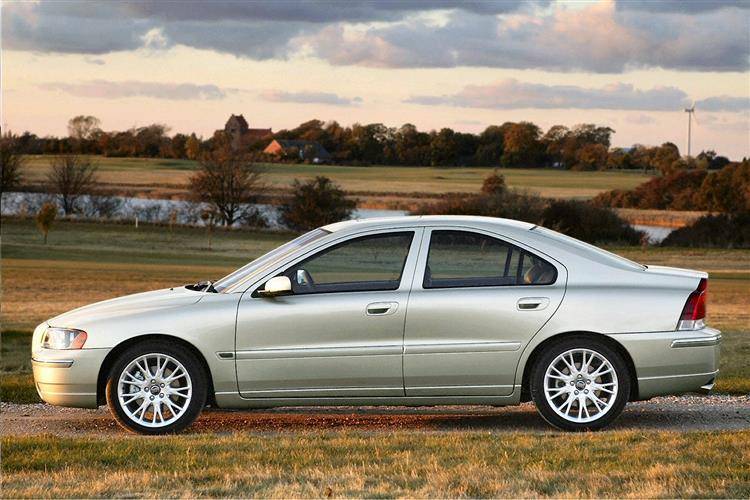



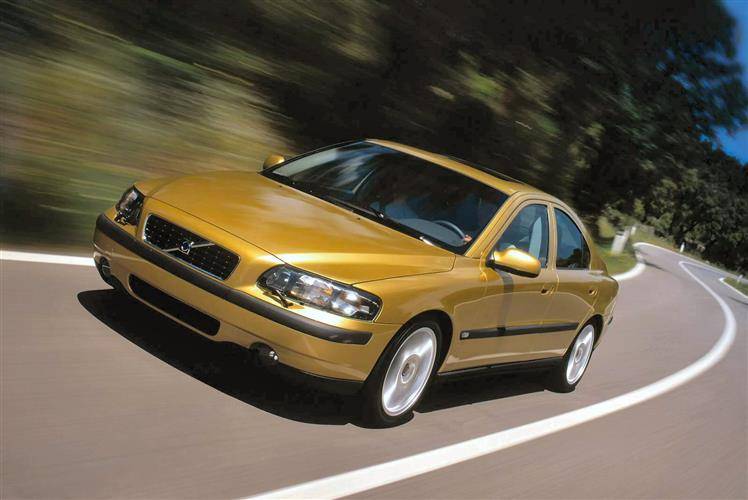
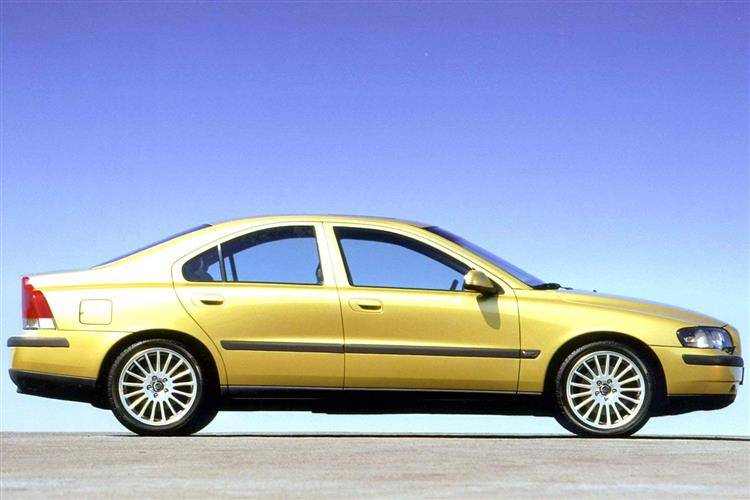


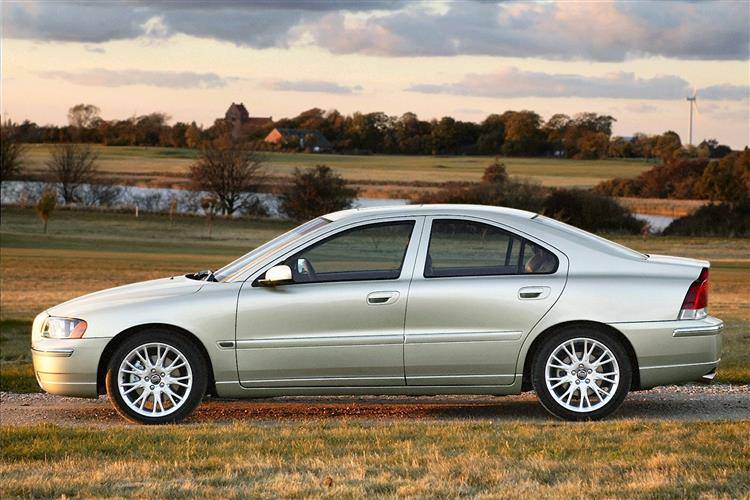



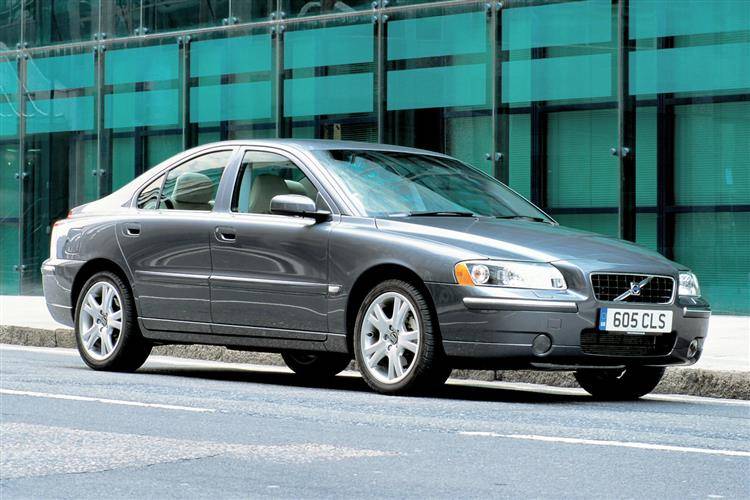

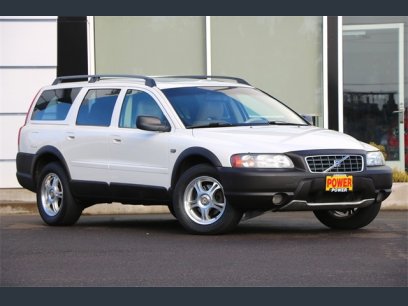


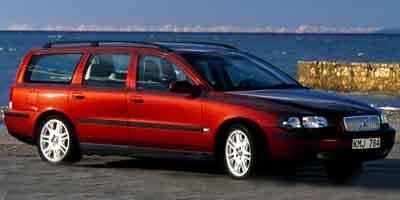
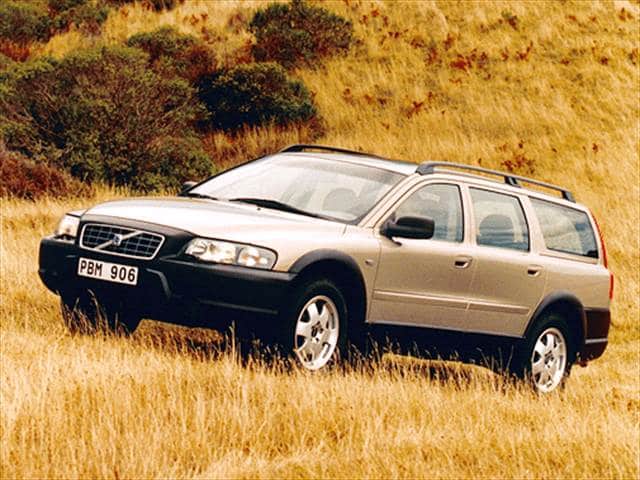


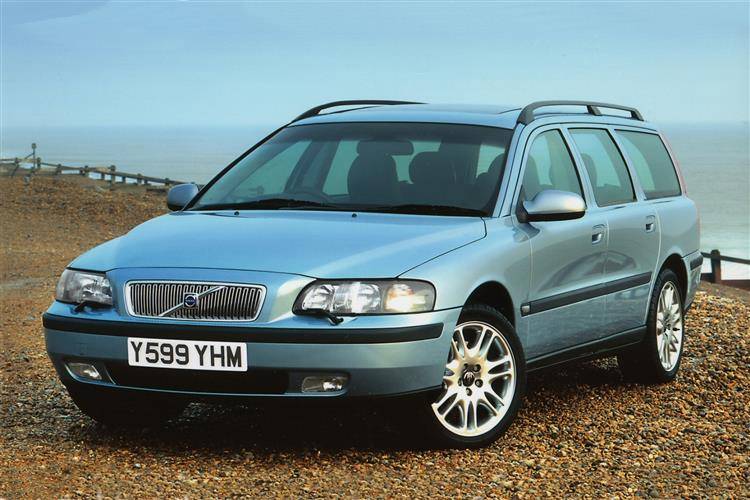
 Volvo S60 XC70 XC90 S80 - Repairs Guide